

Introduction
Pickleball is one of the easiest sports to start — but that doesn’t mean improvement happens automatically. Many new players get stuck making the same errors over and over, slowing progress and causing frustration on the court.
The good news? Most pickleball mistakes beginners make are completely normal — and easy to fix once you know what to look for.
In this guide, we’ll break down the most common beginner pickleball mistakes, explain why they happen, and show you exactly how to correct them. Fixing even a few of these will dramatically improve your consistency, confidence, and enjoyment of the game.
Mistake #1: Trying to Hit the Ball Too Hard
One of the biggest beginner mistakes is swinging too hard on every shot.
Why it happens:
New players assume power equals winning points.
Why it hurts your game:
-
Increases unforced errors
-
Reduces control and consistency
-
Makes dinks and soft shots harder
✅ How to Fix It
-
Focus on control before power
-
Use smoother, shorter swings
-
Let placement win points, not speed
Pickleball rewards patience far more than aggression.
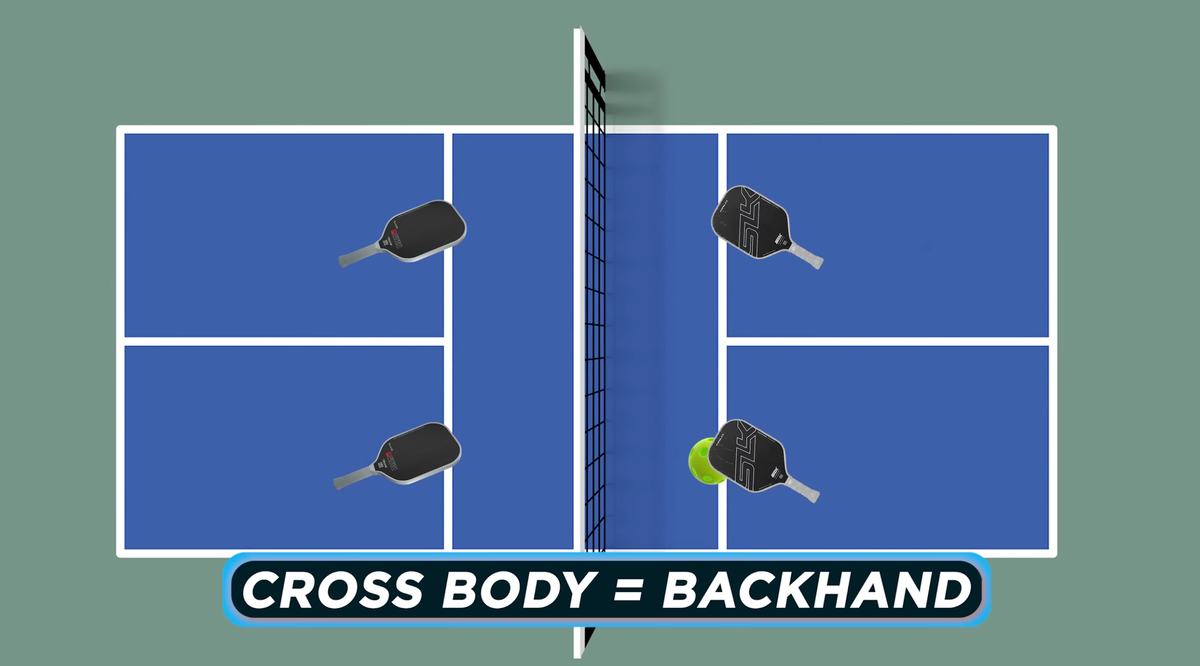
Mistake #2: Standing Too Far Back from the Kitchen Line
Many beginners stay near the baseline for most of the rally.


Why it happens:
The kitchen feels intimidating at first.
Why it hurts your game:
-
Gives opponents better angles
-
Makes volleys harder
-
Keeps you on defense
✅ How to Fix It
-
Move forward after returns
-
Learn controlled approaches
-
Get comfortable at the non-volley zone
Most points are won at the kitchen — not the baseline.
Mistake #3: Poor Court Positioning in Doubles
Beginner teams often stand side-by-side at the baseline or move independently.


Why it happens:
Lack of understanding of doubles strategy.
Why it hurts your game:
-
Creates open spaces
-
Causes confusion with partners
-
Leads to easy opponent winners
✅ How to Fix It
-
Move together with your partner
-
Advance to the kitchen as a unit
-
Communicate clearly
Good doubles positioning wins more points than fancy shots.
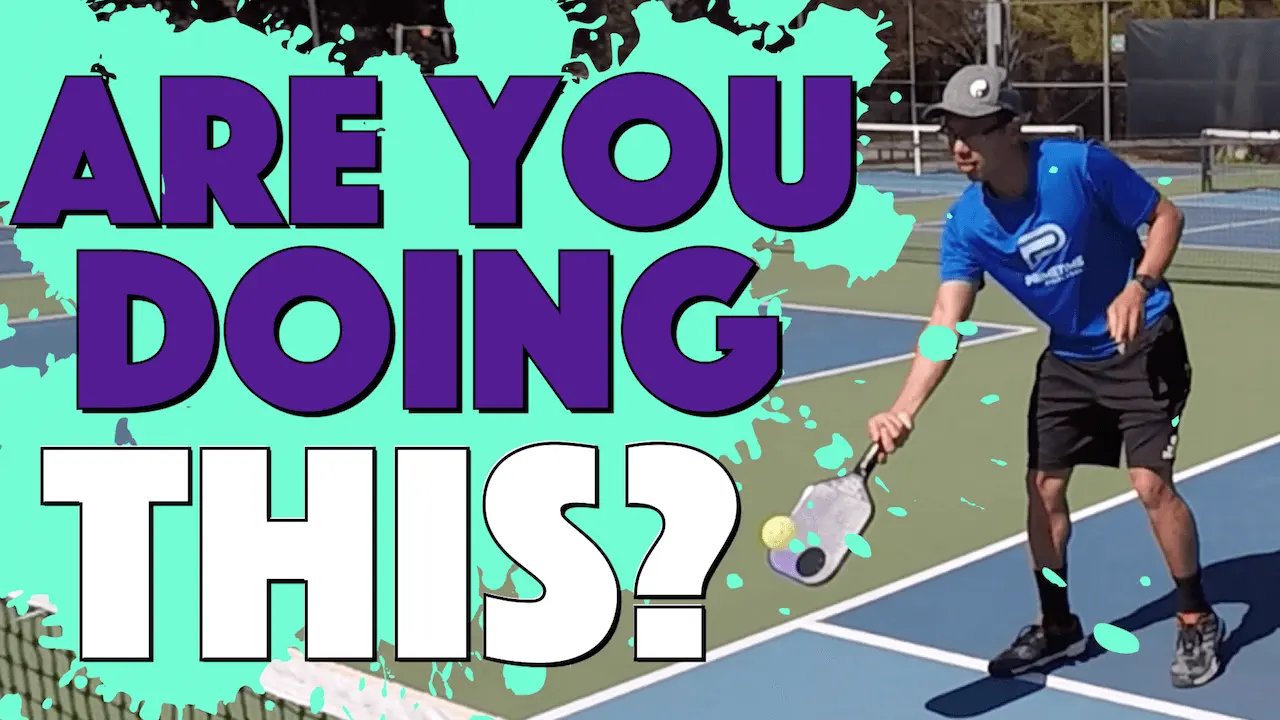
Mistake #4: Ignoring the Soft Game (Dinking)
Many beginners avoid dinking because it feels slow or uncomfortable.

Why it happens:
Dinking requires touch and patience.
Why it hurts your game:
-
Leads to pop-ups
-
Makes you predictable
-
Limits rally control
✅ How to Fix It
-
Practice short-court dinking drills
-
Keep the ball low
-
Stay patient and balanced
Mastering the soft game is a huge turning point for beginners.
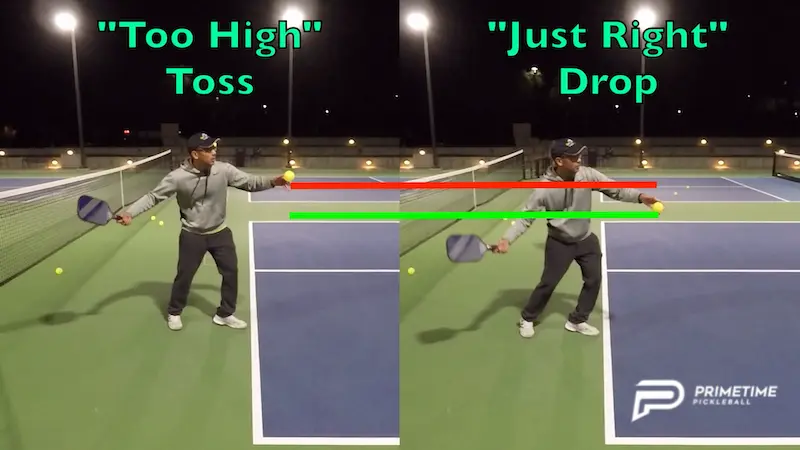
Mistake #5: Serving Too Aggressively
Beginners often try to “win” the point with the serve.

Why it happens:
Serve feels like an opportunity to attack.
Why it hurts your game:
-
Results in missed or illegal serves
-
Gives away free points
-
Adds unnecessary pressure
✅ How to Fix It
-
Focus on legal, deep serves
-
Aim high over the net
-
Prioritize consistency
A serve that goes in every time is a huge advantage.
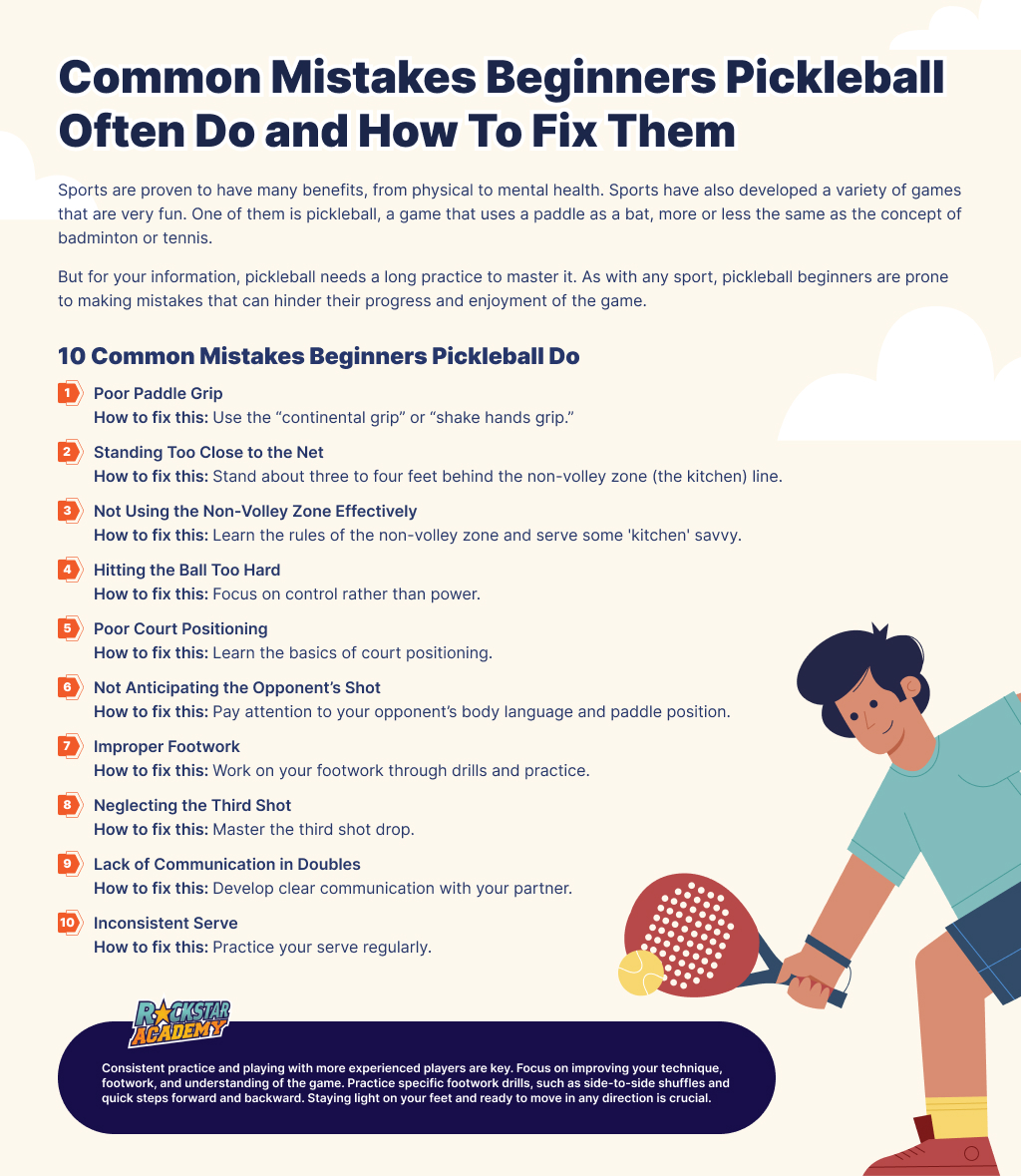
Mistake #6: Not Moving Their Feet
Reaching for the ball instead of moving is extremely common.
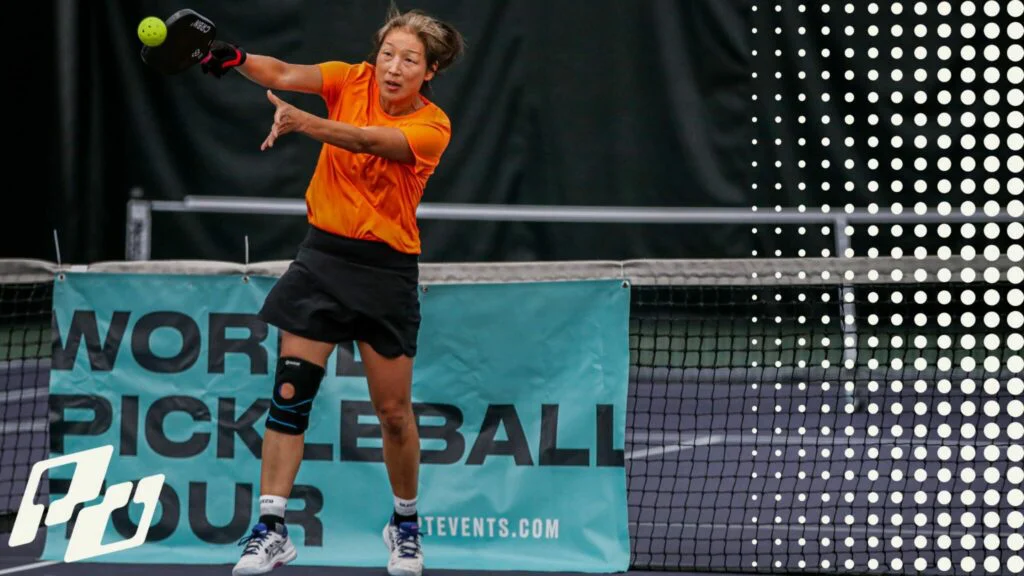
Why it happens:
Footwork feels secondary to swinging.
Why it hurts your game:
-
Causes mishits
-
Reduces balance
-
Slows reaction time
✅ How to Fix It
-
Stay low and athletic
-
Use small adjustment steps
-
Practice simple footwork drills
Good footwork makes every shot easier.
Mistake #7: Hitting the Ball Too High (Pop-Ups)
Pop-ups are easy targets for opponents.
Why it happens:
-
Open paddle face
-
Poor foot positioning
-
Rushed swings
✅ How to Fix It
-
Keep paddle face slightly closed
-
Bend knees instead of lifting arms
-
Focus on controlled contact
Reducing pop-ups alone can drastically improve results.
Mistake #8: Playing Too Fast
Beginners often rush rallies and decisions.
Why it happens:
Nervousness or excitement.
Why it hurts your game:
-
Leads to poor shot selection
-
Increases errors
-
Reduces consistency
✅ How to Fix It
-
Slow the game down
-
Use dinks and resets
-
Take a breath between points
Pickleball is as much mental as it is physical.
Mistake #9: Not Practicing Between Games
Only playing games slows improvement.
Why it happens:
Drills feel less fun than matches.
✅ How to Fix It
-
Practice short, focused drills
-
Work on one skill at a time
-
Combine drills with games
Just 20–30 minutes of drills per week makes a big difference.
Mistake #10: Using Equipment That Doesn’t Match Their Skill Level
While equipment isn’t everything, it can affect confidence.
Beginner-friendly paddle traits:
-
Balanced weight
-
Comfortable grip
-
Control-oriented face
If you enjoy adding personality to your game, customized pickleball paddles from PickYoBall are designed to balance control and comfort — helping beginners feel confident while learning the fundamentals, without overwhelming power.
(The paddle should support your learning, not fight it.)
How to Fix Beginner Mistakes Faster (Simple Plan)
-
Focus on one mistake at a time
-
Practice drills 2–3x per week
-
Play patiently
-
Ask experienced players for feedback
-
Record yourself occasionally
Progress comes from awareness + repetition.
Conclusion
Every player makes mistakes — especially at the beginning. The key is recognizing the most common pickleball mistakes beginners make and fixing them early before they become habits.
By improving:
-
Positioning
-
Footwork
-
Shot selection
-
Patience
you’ll see faster progress, win more rallies, and enjoy the game much more.
Pickleball rewards smart decisions, not brute force — and every beginner can learn that quickly.
FAQs: Pickleball Mistakes Beginners Make
❓ What is the biggest mistake beginners make in pickleball?
Trying to hit the ball too hard instead of focusing on control and consistency.
❓ How long does it take beginners to improve?
Most players see noticeable improvement within a few weeks of focused practice.
❓ Should beginners focus more on offense or defense?
Defense and consistency first — offense comes naturally later.
❓ Is footwork really that important?
Yes. Good footwork improves balance, reaction, and shot quality.
❓ Can equipment really help beginners?
Technique matters most, but comfortable, balanced equipment can boost confidence.


