

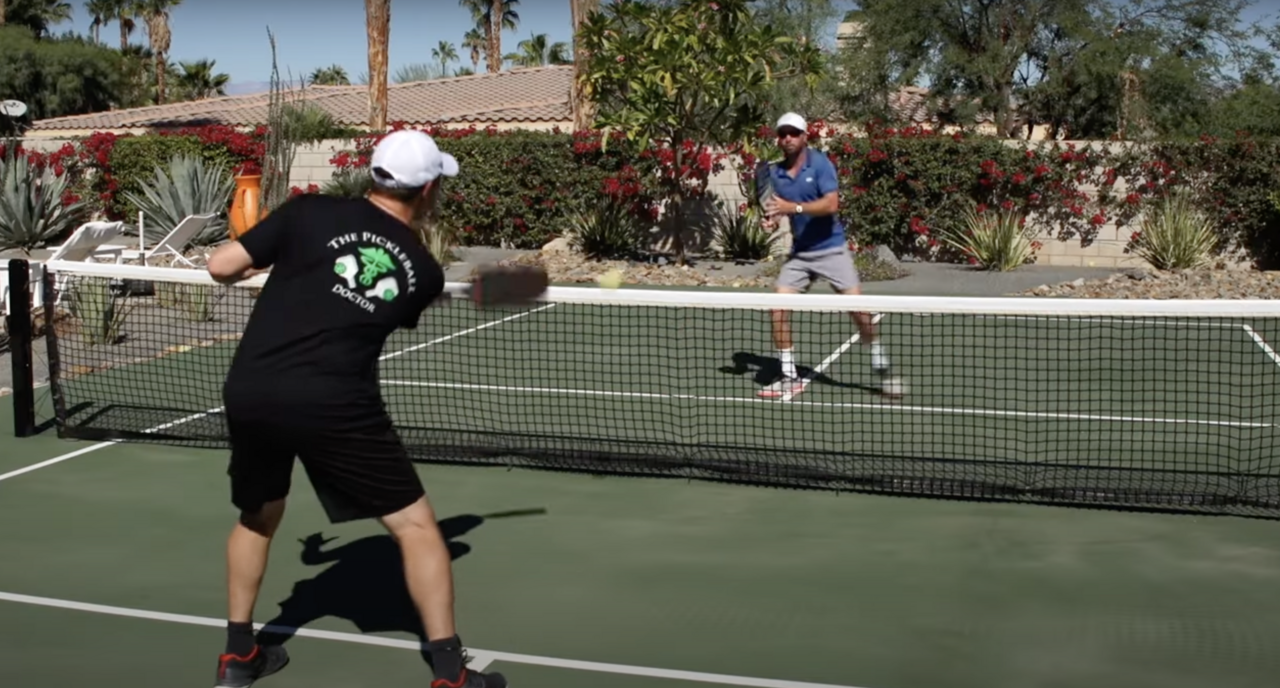
If you’ve ever felt late to the ball, off balance during dinks, or out of position after a return, the issue probably isn’t your paddle — it’s your footwork.
In pickleball, good footwork is what allows great shots to happen. Even the best technique breaks down if you’re not in the right place at the right time. That’s why players of all levels — from beginners to advanced competitors — benefit enormously from practicing pickleball footwork drills.
In this guide, you’ll learn:
-
Why footwork matters so much in pickleball
-
Core movement principles every player should know
-
The best footwork drills for beginners and advanced players
-
Doubles vs singles footwork strategies
-
Simple drills you can practice on or off the court
Let’s build the foundation that supports every great pickleball shot.
Why Footwork Is So Important in Pickleball
Pickleball is a fast, reaction-based sport played in a relatively small space. That means:
-
You don’t need long sprints
-
You do need quick, efficient movement
Good footwork helps you:
-
Stay balanced during shots
-
Reach the non-volley zone (kitchen) efficiently
-
Recover quickly after each shot
-
Reduce unforced errors
-
Conserve energy during long games
Simply put: better footwork = better consistency.
Core Pickleball Footwork Principles
Before jumping into drills, understand these fundamentals.
1. Stay Low and Athletic
-
Slight bend in the knees
-
Weight on the balls of your feet
-
Paddle up and ready
2. Move First, Then Hit
Avoid reaching for the ball. Move your feet so the ball is comfortably in front of you.
3. Small Steps Beat Big Steps
Quick, controlled steps improve balance far more than lunging.
4. Recover After Every Shot
Always return to a ready position — especially at the kitchen line.
The Split Step: The Foundation of All Footwork
The pickleball split step is a small hop timed just before your opponent hits the ball.
Why it matters:
-
Keeps you balanced
-
Improves reaction time
-
Allows faster movement in any direction
Practice incorporating a split step before:
-
Returns
-
Volleys
-
Third-shot drops
-
Dinks
This one habit alone can dramatically improve your movement.
Pickleball Footwork Drills for Beginners
These drills focus on balance, positioning, and consistency.
🔹 Drill 1: Shadow Footwork Drill
-
No ball required
-
Move side to side along the baseline or kitchen line
-
Practice staying low and balanced
Purpose: Builds muscle memory without pressure.
🔹 Drill 2: Kitchen Line Side-Step Drill
-
Stand at the kitchen line
-
Shuffle left and right without crossing feet
-
Maintain paddle-up position


Purpose: Improves lateral movement and dink consistency.
🔹 Drill 3: Forward-Backward Transition Drill
-
Start at the baseline
-
Move forward toward the kitchen
-
Retreat back after an imaginary shot
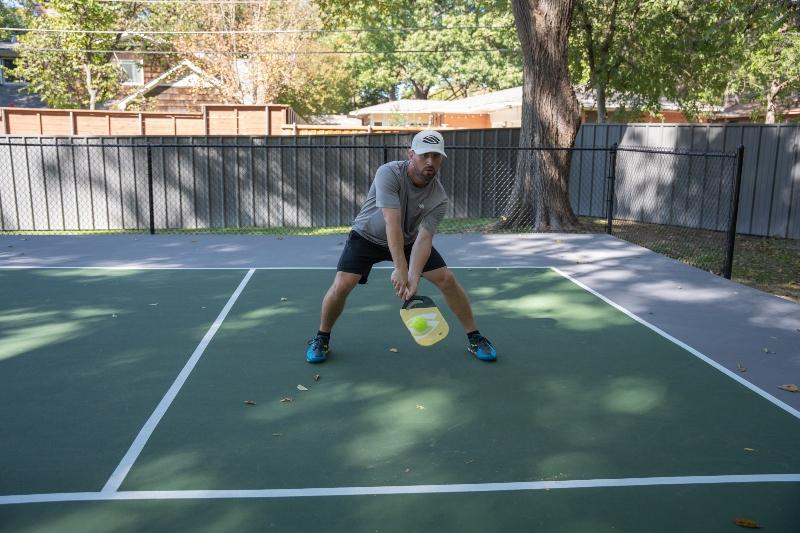

Purpose: Teaches control in the transition zone.
Pickleball Agility Drills (Intermediate Level)
Once basics feel comfortable, add speed and reaction.
🔹 Drill 4: Cone Reaction Drill
-
Place cones in a semicircle
-
Partner calls out directions
-
Shuffle quickly to each cone

Purpose: Improves reaction time and directional changes.
🔹 Drill 5: Split Step + Volley Drill
-
Partner feeds balls at the kitchen
-
Split step before every volley
-
Focus on balance and recovery
Purpose: Trains real-game movement timing.
Pickleball Footwork for Doubles vs Singles
Doubles Footwork
In doubles, footwork emphasizes:
-
Side-to-side movement
-
Staying connected with your partner
-
Maintaining kitchen line positioning
Key tip: Move together as a team to avoid gaps.


Singles Footwork
Singles requires:
-
More forward-backward movement
-
Faster recovery to center court
-
Greater stamina
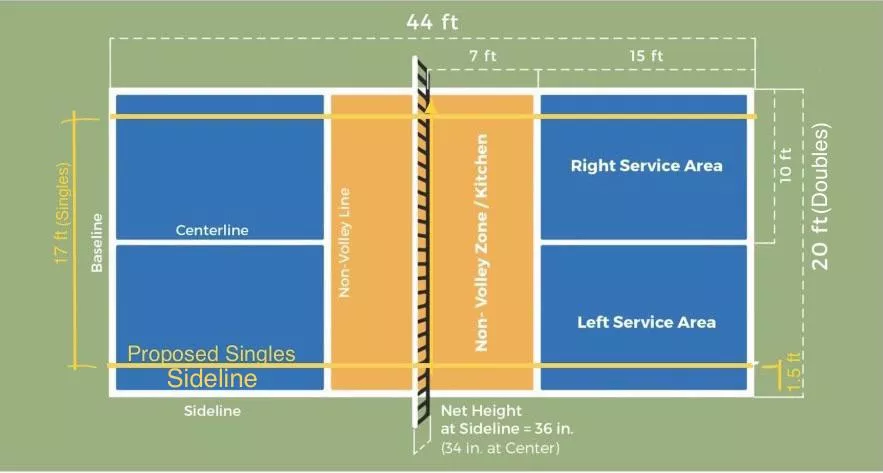
Footwork is more demanding in singles, making drills even more valuable.
Off-Court Pickleball Footwork Drills
You don’t need a court to improve.
🔹 Ladder Drills
-
Improves quick feet and coordination
🔹 Jump Rope
-
Builds rhythm and endurance
🔹 Balance Exercises
-
Single-leg stands
-
Lateral lunges
Just 10 minutes off-court can translate directly to better on-court movement.
Common Footwork Mistakes to Avoid
❌ Standing upright
❌ Reaching instead of moving
❌ Crossing feet unnecessarily
❌ Failing to recover after shots
❌ Rushing instead of staying balanced
Fixing these mistakes often leads to immediate improvement.
Equipment and Footwork: Why Balance Matters
Footwork works best when your equipment supports control and stability.
Many players prefer:
-
Balanced-weight paddles
-
Comfortable grip sizes
-
Paddle faces that reward soft, controlled shots
If you enjoy combining performance with personality, customized pickleball paddles from PickYoBall are designed for balance and feel — helping players stay confident while moving efficiently and maintaining control during fast exchanges.
(As always, good footwork matters more than gear — but the right paddle should support, not fight, your movement.)
Simple Weekly Footwork Practice Plan
2–3 sessions per week (15–20 min):
-
5 min shadow footwork
-
5 min kitchen lateral drills
-
5 min split step practice
-
Optional agility or cone drills
Consistency beats intensity.
Conclusion
Strong shots start from the ground up — and pickleball footwork drills are the foundation of better positioning, balance, and confidence on the court.
By practicing smart movement patterns, staying low, and recovering after every shot, you’ll:
-
Reach balls earlier
-
Reduce errors
-
Play with more control
-
Enjoy the game more
Footwork may not look flashy, but it’s one of the biggest separators between average and advanced pickleball players.
FAQs: Pickleball Footwork Drills
❓ How often should I practice footwork drills?
2–3 times per week is enough to see noticeable improvement.
❓ Are footwork drills good for beginners?
Absolutely. Beginners benefit the most because good habits form early.
❓ Is footwork more important than paddle choice?
Yes. Footwork impacts every shot, while paddles fine-tune performance.
❓ What is the most important footwork skill in pickleball?
The split step — it improves balance, reaction, and movement efficiency.
❓ Can off-court drills really help?
Yes. Agility and balance training directly translate to better on-court movement.


