

Pickleball Drills for Beginners: Improve Fast & Have Fun
Starting pickleball is exciting — the rallies are fun, the court is social, and progress comes quickly. But many beginners struggle with the same issues: inconsistent shots, missed serves, poor positioning, and confusion about what to practice.
That’s where pickleball drills for beginners come in.
Drills help you:
-
Build muscle memory
-
Improve consistency
-
Gain confidence faster than casual play alone
-
Learn proper movement and positioning
In this guide, you’ll find simple, beginner-friendly pickleball drills that focus on the fundamentals — no advanced skills required. These drills can be done with a partner, solo, or even at home.
Why Beginners Should Practice Drills (Not Just Play Games)
Playing games is fun, but drills are where real improvement happens.
Beginner pickleball drills help you:
-
Hit more balls without pressure
-
Fix mistakes before they become habits
-
Learn control before power
-
Improve faster with less frustration
Think of drills as practice with purpose.
What Beginners Should Focus on First
Before diving into drills, understand what matters most early on:
-
Consistency over power
-
Ball control
-
Basic footwork
-
Court awareness
-
Confidence at the kitchen line
Every drill below supports one or more of these goals.
Beginner Pickleball Drills (On-Court)
🔹 Drill 1: Short Court Dinking Drill
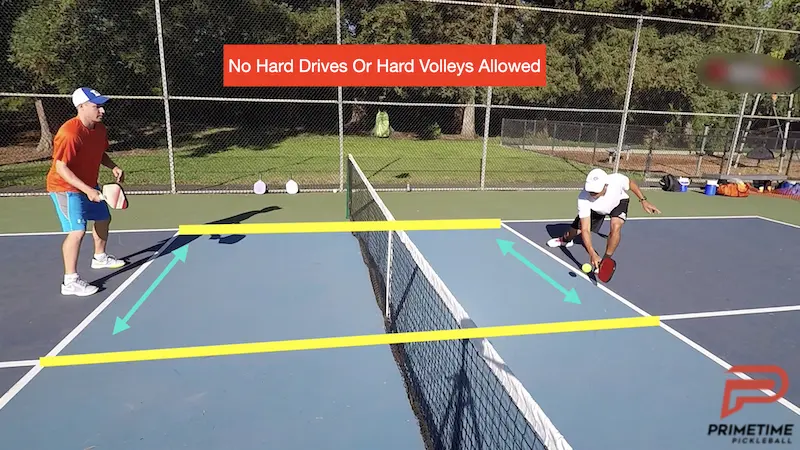
This is one of the most important beginner drills.
How to do it:
-
Stand at the kitchen line with a partner
-
Gently dink the ball back and forth
-
Keep the ball low and controlled


Why it helps:
-
Improves touch and control
-
Builds confidence at the net
-
Teaches patience
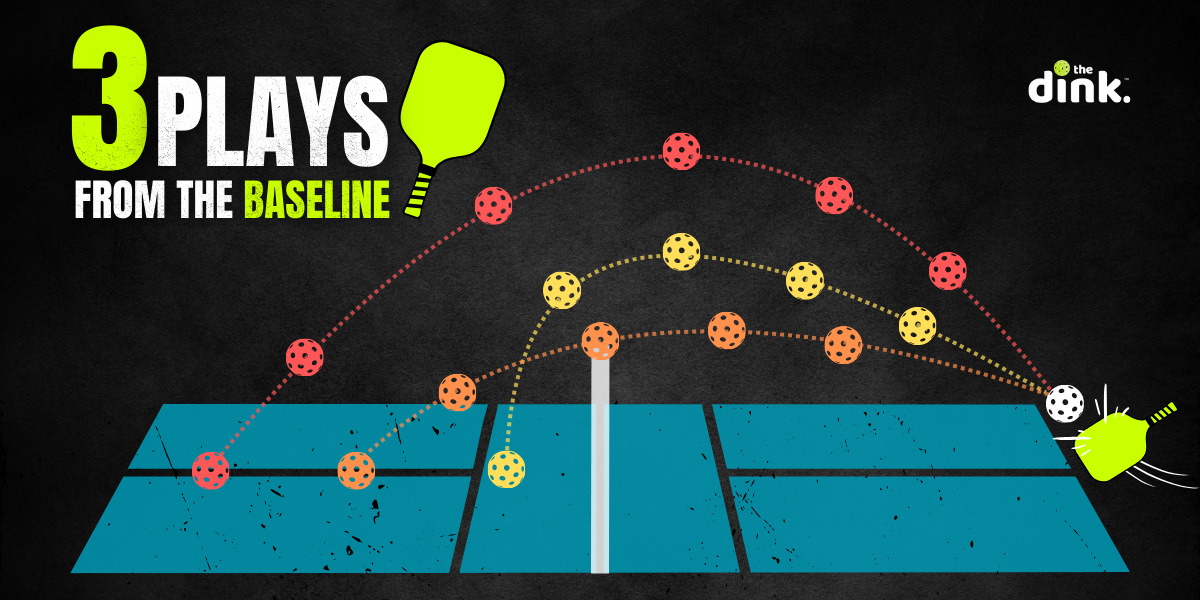
🔹 Drill 2: Groundstroke Consistency Drill
How to do it:
-
Stand at the baseline with a partner
-
Rally forehands and backhands
-
Aim to keep the ball in play, not hit winners


Focus on:
-
Smooth swings
-
Balanced footwork
-
Depth over speed
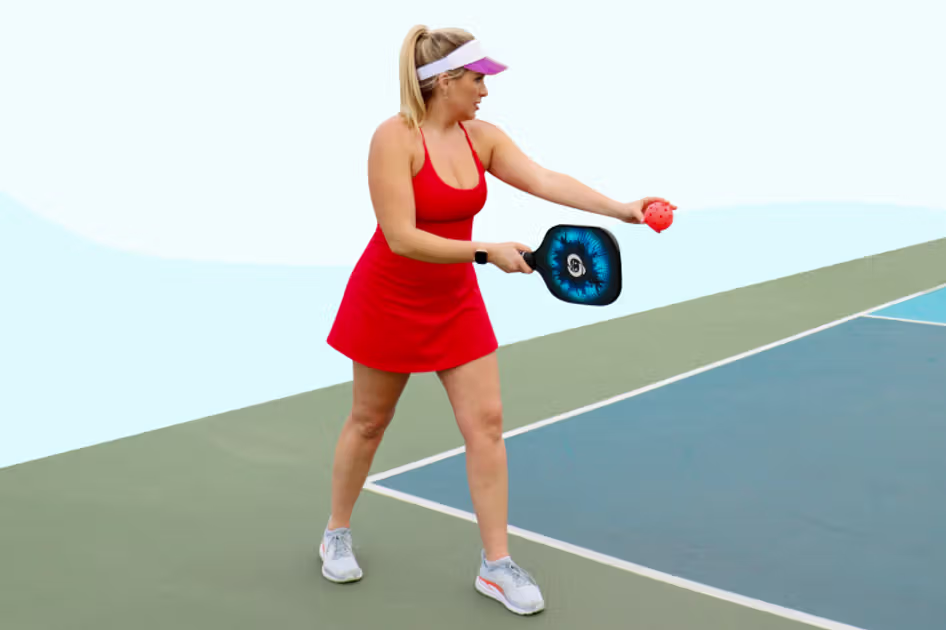
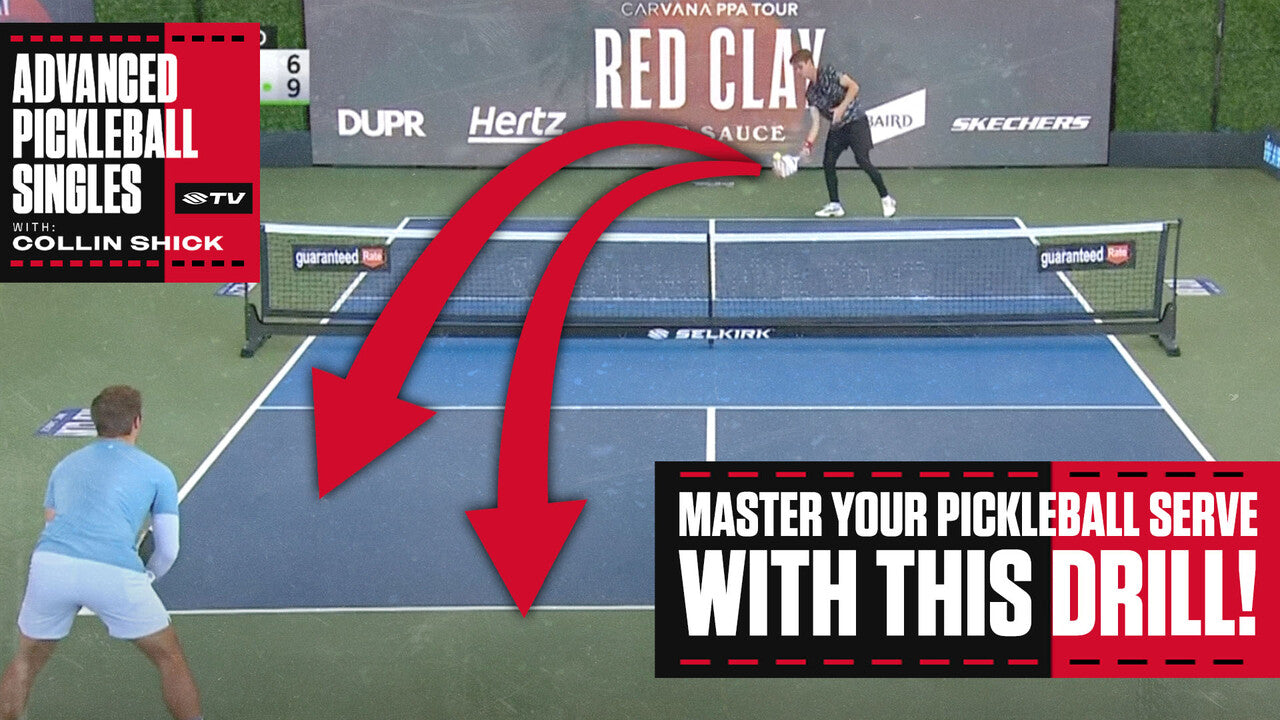
🔹 Drill 3: Serve Practice Drill
Serving consistently is essential for beginners.
How to do it:
-
Serve 10–20 balls in a row
-
Focus on clearing the net and landing deep
-
Don’t worry about power
Goal:
Get every serve in — consistency wins games.
Beginner Pickleball Footwork Drills
Good footwork makes every shot easier.
🔹 Drill 4: Side-to-Side Shuffle Drill
How to do it:
-
Stand at the kitchen line
-
Shuffle left and right
-
Keep paddle up and knees bent

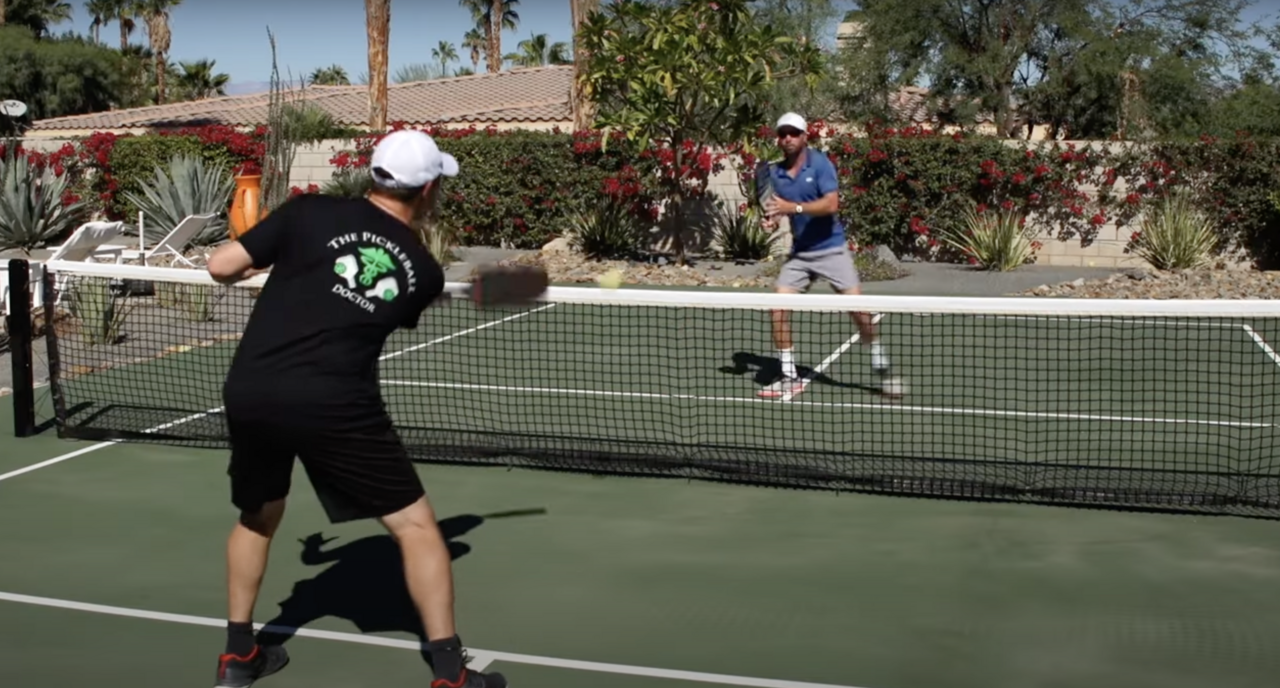
This drill improves balance and reaction time.
🔹 Drill 5: Baseline to Kitchen Transition Drill
How to do it:
-
Start at the baseline
-
Move forward after each imaginary shot
-
Practice controlled movement
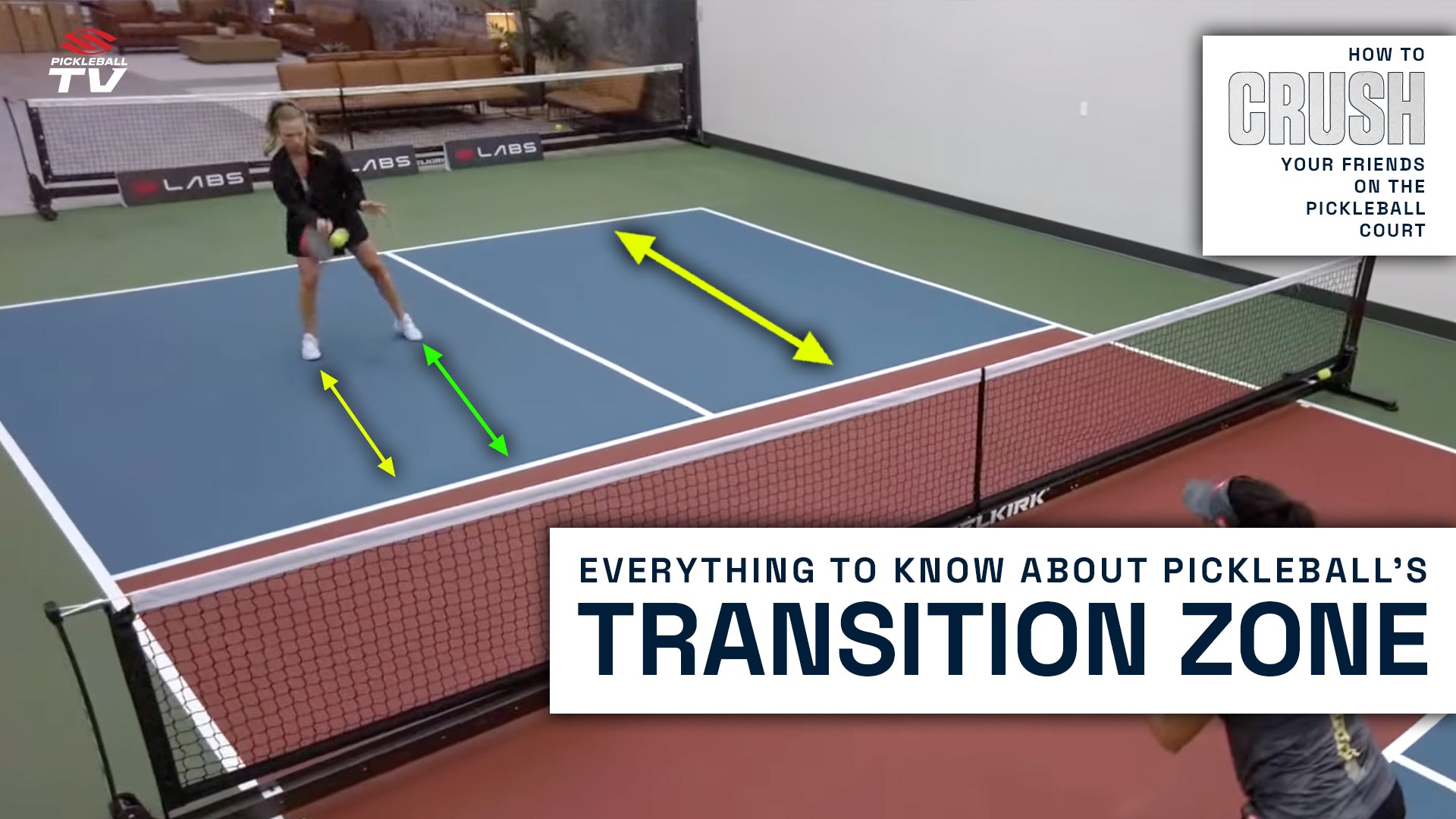
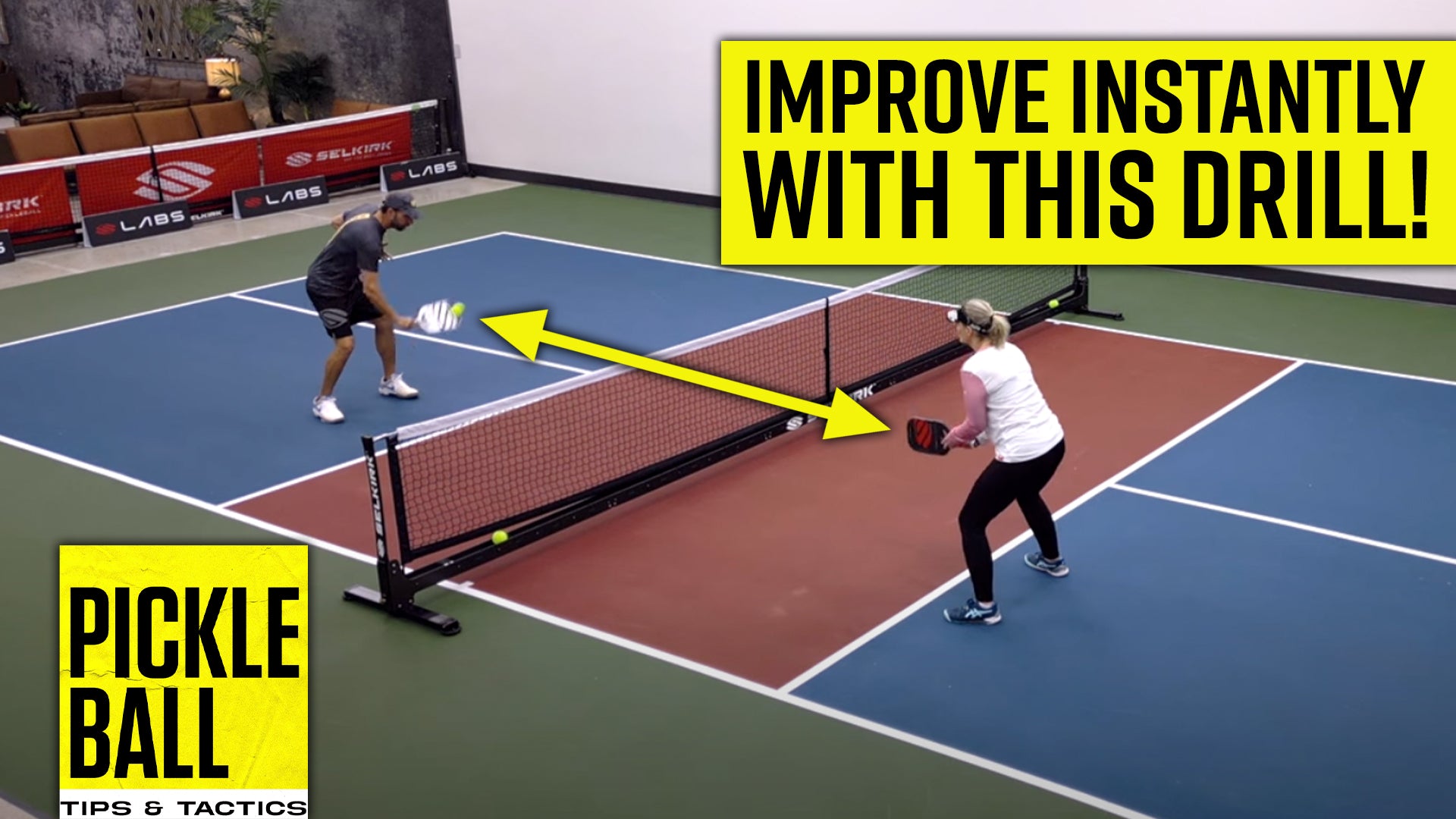

This teaches beginners when and how to approach the kitchen safely.
Pickleball Drills for Beginners at Home (No Court Needed)
You can still improve without a court.
🔹 Shadow Swing Drill
-
Practice forehand and backhand swings
-
Focus on balance and follow-through
🔹 Wall Practice Drill
-
Hit softly against a wall
-
Control the ball and maintain rhythm
🔹 Footwork & Balance Drill
-
Side steps
-
Split step practice
-
Single-leg balance
These drills build muscle memory and coordination.
Beginner Pickleball Drills With a Partner
Partner drills are ideal for learning together.
🔹 Cooperative Rally Drill
-
Rally slowly
-
Count how many shots you keep in play
-
Try to beat your previous record
🔹 Target Practice Drill
-
Place cones or markers
-
Aim shots toward specific zones
Learning together keeps practice fun and motivating.
Common Beginner Mistakes to Avoid During Drills
❌ Trying to hit too hard
❌ Skipping footwork
❌ Rushing improvement
❌ Ignoring consistency
❌ Practicing without purpose
Slow, controlled practice leads to faster progress.
Equipment Tips for Beginners
Beginner drills are all about control and comfort.
Many new players prefer:
-
Lightweight or balanced paddles
-
Comfortable grip sizes
-
Paddle faces that offer touch and forgiveness
If you enjoy adding personality to your gear, customized pickleball paddles from PickYoBall are designed with balance and control in mind — helping beginners feel confident while learning the fundamentals, without overwhelming power.
(Always choose equipment that feels comfortable and easy to control.)
Simple Weekly Practice Plan for Beginners
2–3 sessions per week (20–30 minutes):
-
5 min dinking drill
-
5 min groundstroke rally
-
5 min serve practice
-
5–10 min footwork drills
Consistency matters more than duration.
When Beginners Will See Improvement
Most beginners notice:
-
Better consistency within 2–3 weeks
-
Improved confidence at the kitchen
-
Fewer unforced errors
-
More enjoyable games
Drills accelerate learning — even short sessions help.
Conclusion
Pickleball is easy to start but rewarding to master — and pickleball drills for beginners are the fastest path to improvement. By focusing on simple, repeatable drills, you’ll build strong fundamentals that support every part of your game.
Remember:
-
Control before power
-
Footwork before fancy shots
-
Consistency before competition
Stick with these drills, and you’ll progress faster — while having more fun on the court.
FAQs: Pickleball Drills for Beginners
❓ How often should beginners practice drills?
2–3 times per week is ideal for steady improvement.
❓ Are drills better than playing games?
Both are important. Drills improve skills; games apply them.
❓ Can beginners practice alone?
Yes. Shadow swings, wall drills, and footwork exercises are effective.
❓ What drill should beginners start with?
Dinking drills — they build touch, control, and confidence.
❓ Do beginners need special paddles?
Not special — just comfortable, balanced paddles that support control.


